Sudden cardiac arrest doesn't wait for an ambulance.
Cardiac arrest can happen to anyone, anywhere, at any age, and without warning. In the United States, more than 350,000 cardiac arrests occur outside of hospital settings each year. What happens in the first few minutes after a cardiac arrest is vital to their survival. Immediate defibrillation is critical because for every minute that passes without an AED (Automated External Defibrillator), the chance of survival decreases by 7-10%.
AEDs (Automated External Defibrillator) are designed to be safe, simple, and effective for bystanders to use, yet many people do not know what they are, where they are located, or how crucial they are in saving a life.
The Reality
Nationally, only about 1 in 10 people who experience an out-of-hospital cardiac arrest survive to leave the hospital. The single biggest factor in survival is what happens in the first few minutes — long before paramedics arrive.
Americans experience a cardiac arrest outside of hospitals every year
0
Cardiac arrests that happen in U.S. workplaces every year
0
7-9 min
Average time for EMS to arrive after a 911 call
Drop in survival odds for every minute CPR and defibrillation are delayed
0%
National survival rate for out-of-hospital cardiac arrest overall
0%
24-67%
Survival rate when a bystander uses an AED before EMS arrives
What Preparedness Looks Like
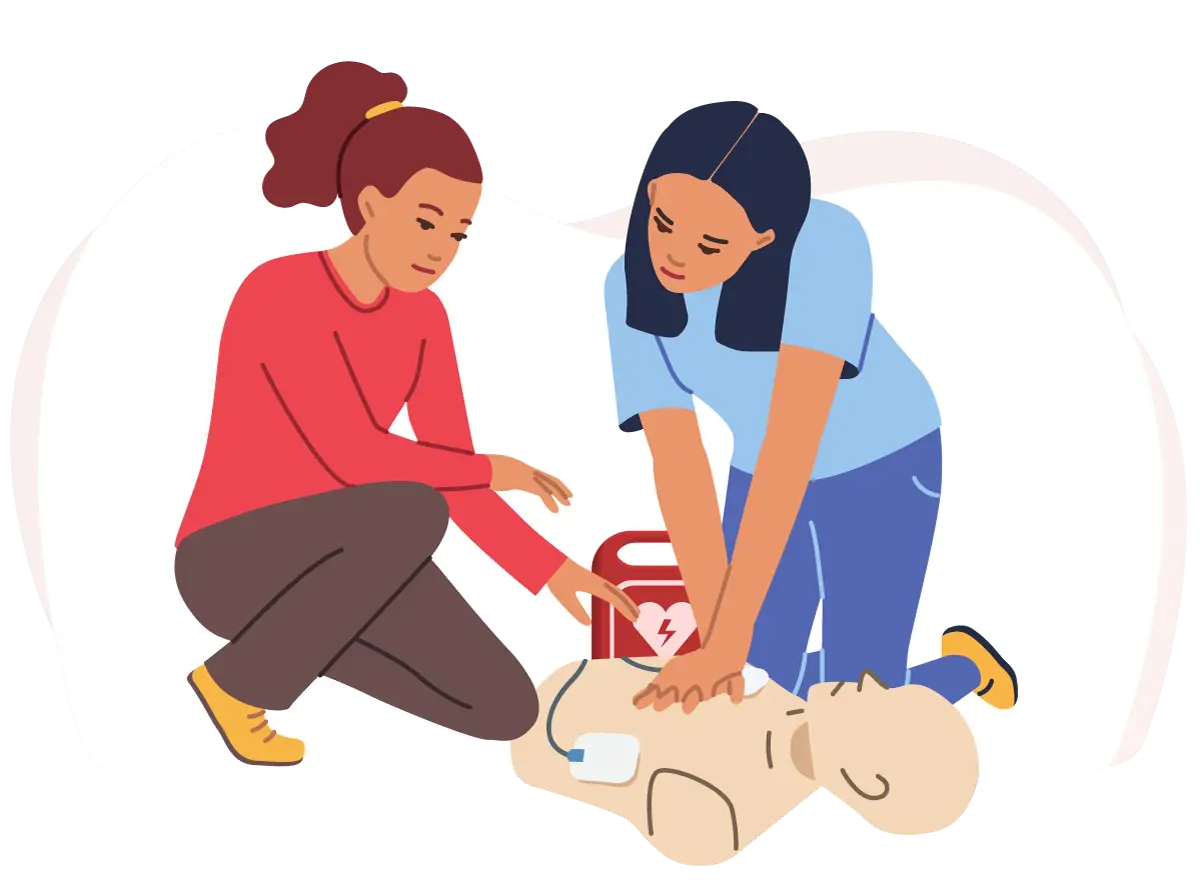
An AED (automated external defibrillator) is built to help people who are experiencing a cardiac arrest. It’s designed for non-medical people to use under pressure — it guides the user through every step out loud and won’t deliver a shock unless one is actually needed. It is the difference between waiting helplessly for help and actively buying the minutes that save a life.
A prepared workplace/location means:
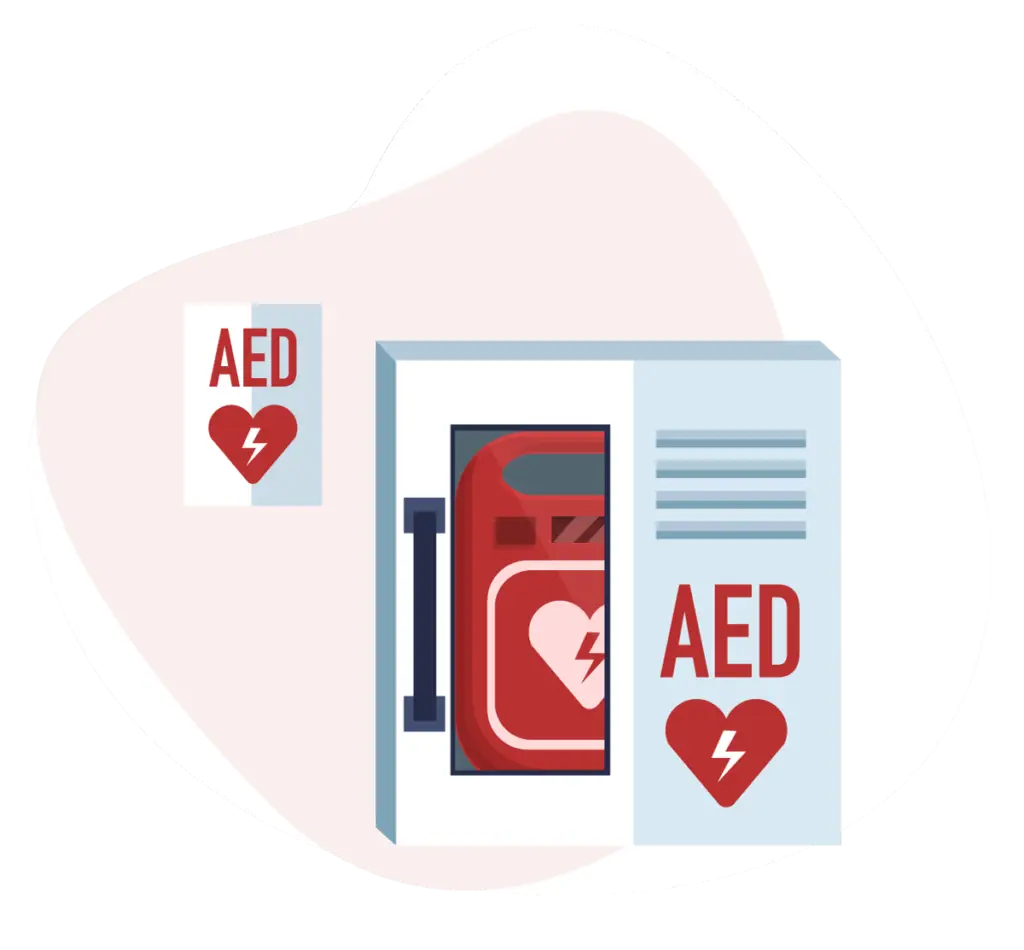
A wall-mounted AED unit, installed at your site
Basic CPR/AED training for your staff or volunteers
Exterior signage/stickers so your AED is visible to the community
We want to make Santa Clarita a community where no life is lost to sudden cardiac arrest simply because help wasn’t close enough or trained enough to arrive in time. We believe that CPR and AED knowledge shouldn’t be a specialty skill — it should be common knowledge.
How to Help
Donate
Every dollar raised helps us provide life-saving information or equipment to our local community.